
R&D INFRASTRUCTURE
ACCESS TO ADVANCED RESEARCH FACILITIES
At Nexus234, companies can tap into lab space and specialized tools at George Mason University’s Science and Technology Campus, along with a nearby commercial vivarium.

COST EFFECTIVE
Access cutting-edge equipment without the burden of purchasing and maintaining it yourself.

COLLABORATIVE
Work alongside university researchers and specialized teams who can help accelerate your projects.

FAST-TRACK INNOVATION
Test ideas and run experiments quickly without lengthy setup times or complex procurement.
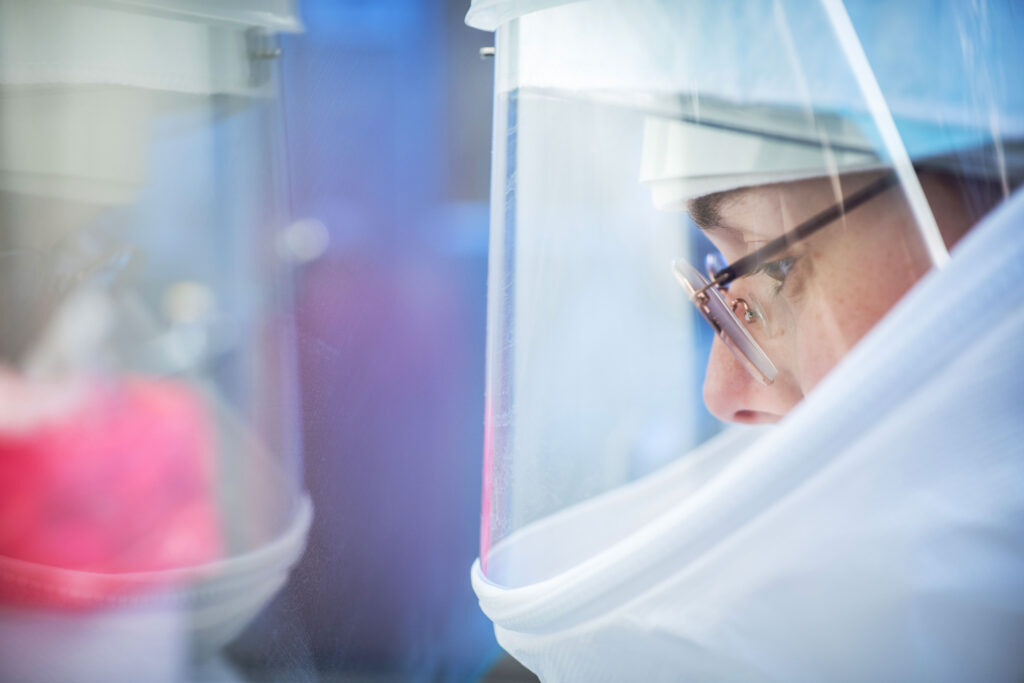
BIOMEDICAL RESEARCH LABORATORY (BRL)
George Mason University’s Regional Biocontainment Laboratory (BRL) is a 52,000-square-foot facility funded by the National Institute of Allergy and Infectious Diseases and licensed by the Centers for Disease Control and Prevention and the U.S. Department of Agriculture, with accreditation from AAALAC International. George Mason is part of a national network of twelve regional and two national biocontainment laboratories. The BRL enables BSL-3 and select agent research and offers specialized capabilities in immune profiling, advanced animal research, and microphysiological systems. Researchers also work with an experienced team of PhD-level scientists, senior technicians, and specialized staff who assist with animal care, biosafety, study design, and training.
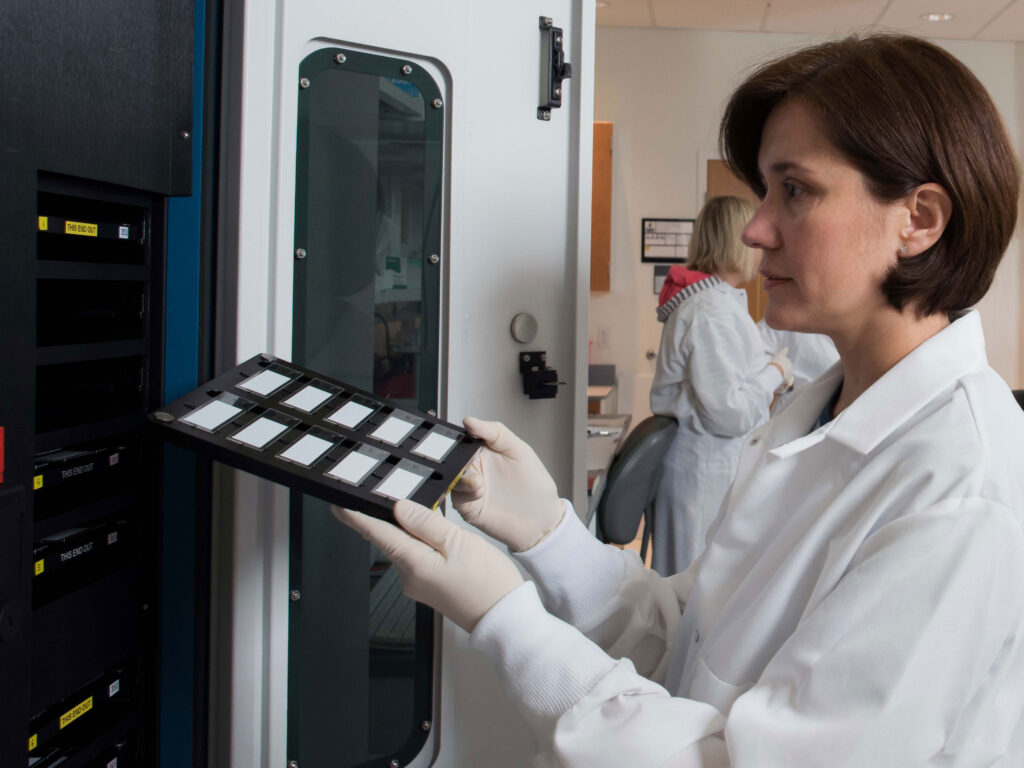
CAP/CLIA LABORATORY
The Clinical Proteomics Laboratory at George Mason University is a CAP- and CLIA-accredited facility that helps move research into practical, real-world use. The lab works with academic researchers, biotechnology startups, pharmaceutical companies, and government agencies. Its services include biomarker discovery, verification, and validation, as well as the development of precision diagnostics.
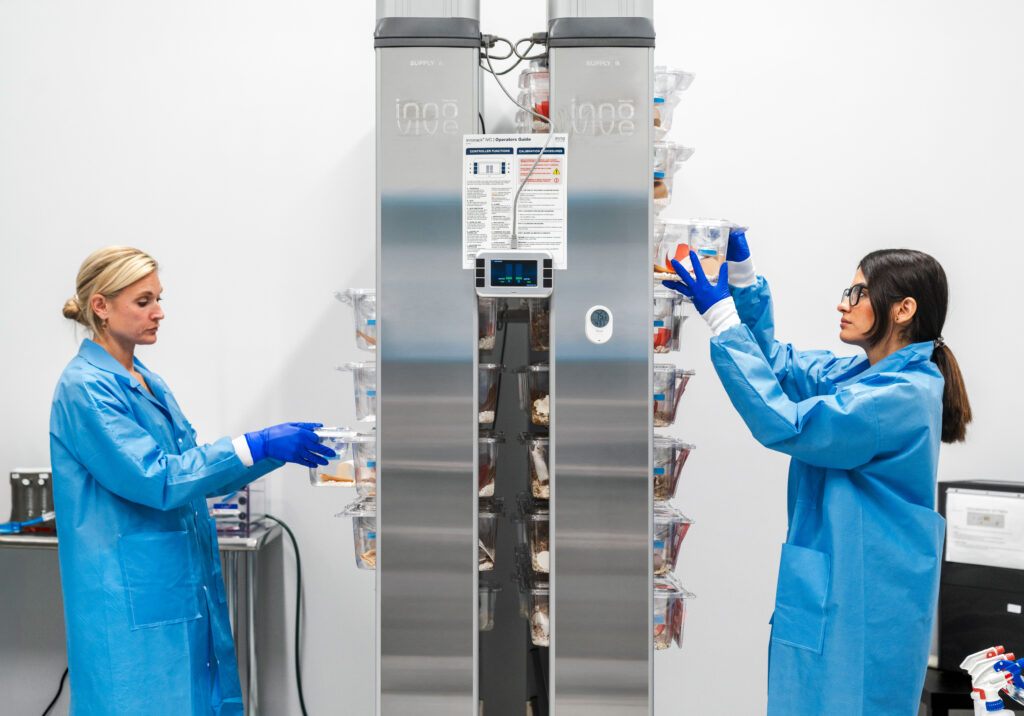
CAERUS VIVARIUM
The Caerus Vivarium is a preclinical research facility with fully equipped lab space. Teams can work with on-site technical staff or run studies independently. The vivarium accommodates small-animal studies in areas such as oncology, inflammation, metabolic disease, allergy, and autoimmune disorders. Additional technical services are available as needed.
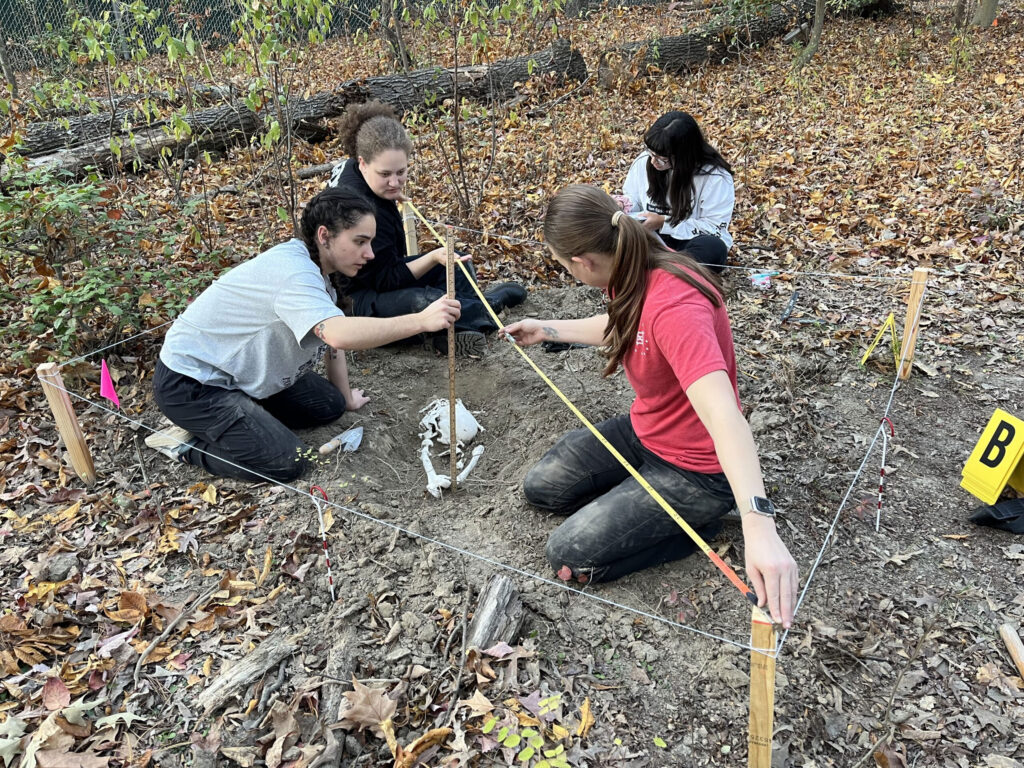
FORENSIC SCIENCE RESEARCH AND TRAINING LABORATORY (FSRTL)
Researchers use this outdoor facility at George Mason University to study human decomposition and strengthen work in forensic science, anthropology, and criminal investigations.
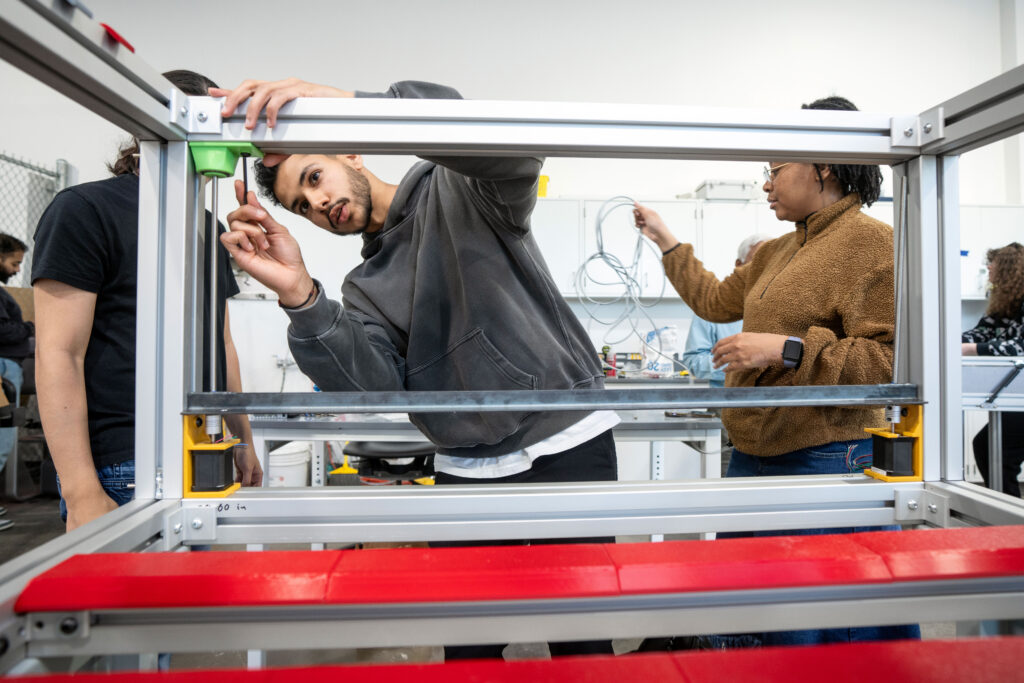
LIFE SCIENCES AND ENGINEERING BUILDING (LSEB)
The Life Sciences and Engineering Building (LSEB) is a multidisciplinary academic facility at George Mason University that supports hands-on training in fields such as kinesiology, microbiology, chemistry, engineering, forensic science, robotics, and autonomous vehicles. Specialized instructional spaces include a wind tunnel lab, machine shop, robotics testing areas, advanced manufacturing labs, and a 3D print studio.
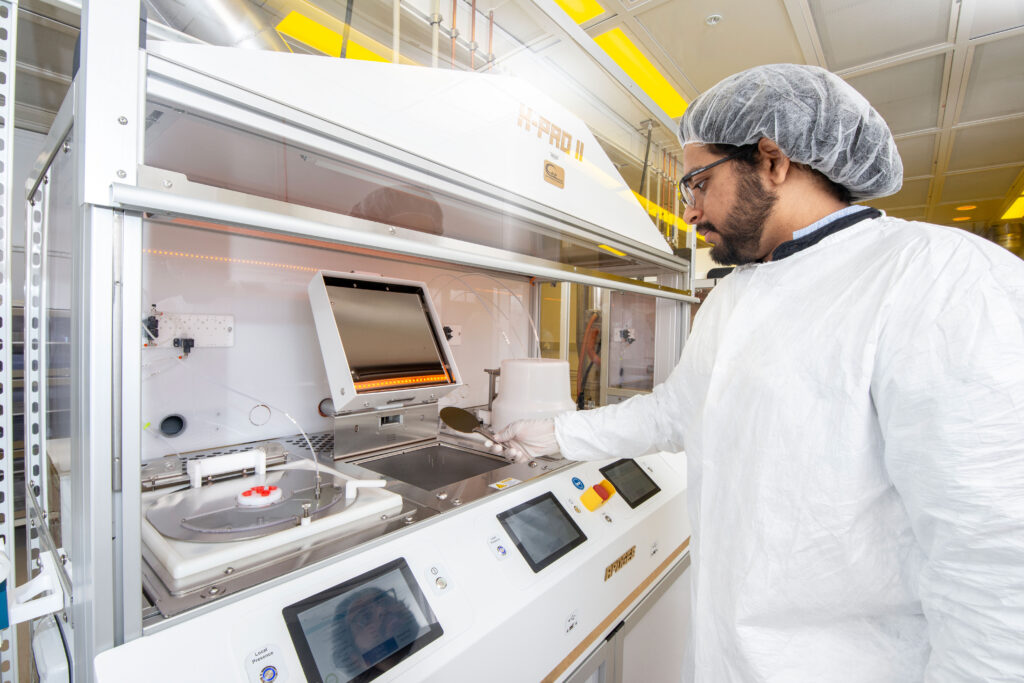
NANOFABRICATION FACILITY (NFF)
The Nanofabrication Facility (NFF) at George Mason University includes a Class 1,000 cleanroom with tools for photolithography, etching, and deposition. These tools are used to build microfluidic systems, micro- and nano-electronic components, and other small-scale devices. The facility also has a characterization lab for analyzing materials and devices. Staff at the NFF work with both university and external users, providing training, help with project setup, and one-on-one assistance for research and prototyping.
RESEARCH CENTERS & INSTITUTES
Impact-driven research is underway across multiple centers and institutes, supported by leadership that offers concierge-level engagement to facilitate introductions and coordination across academic disciplines.

INSTITUTE FOR BIOHEALTH INNOVATION (IBI)
The Institute for Biohealth Innovation advances human health by addressing six major areas of research spanning infectious diseases, brain and behavior, cancer, and injury and performance.
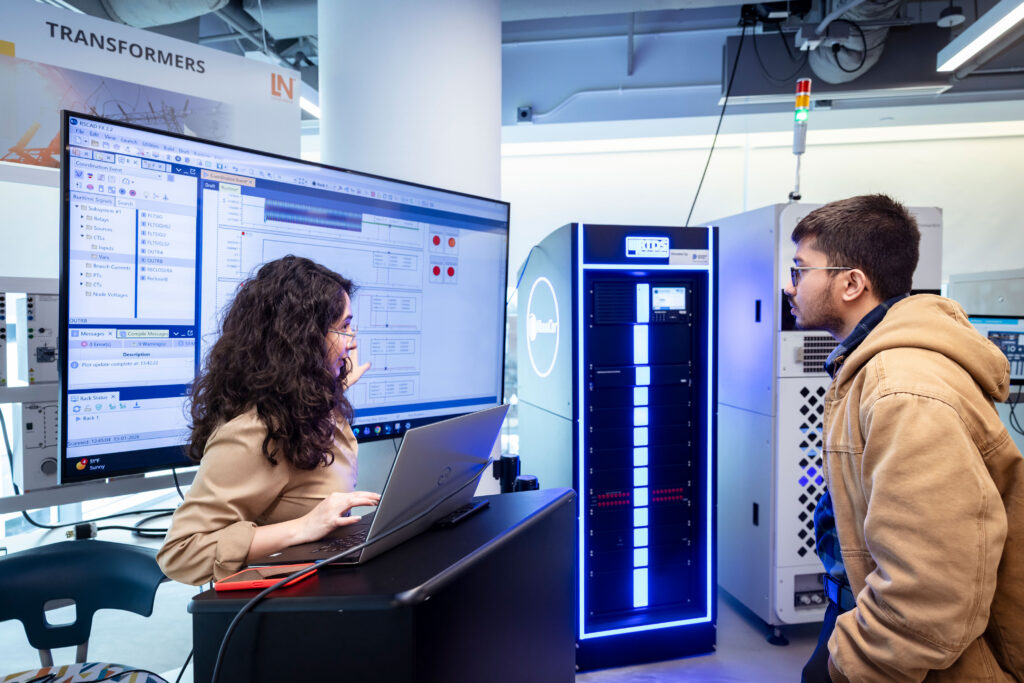
INSTITUTE FOR DIGITAL INNOVATION (IDIA)
Secure technologies developed in the Institute for Digital Innovation span data, cybersecurity, artificial intelligence, and digital systems.
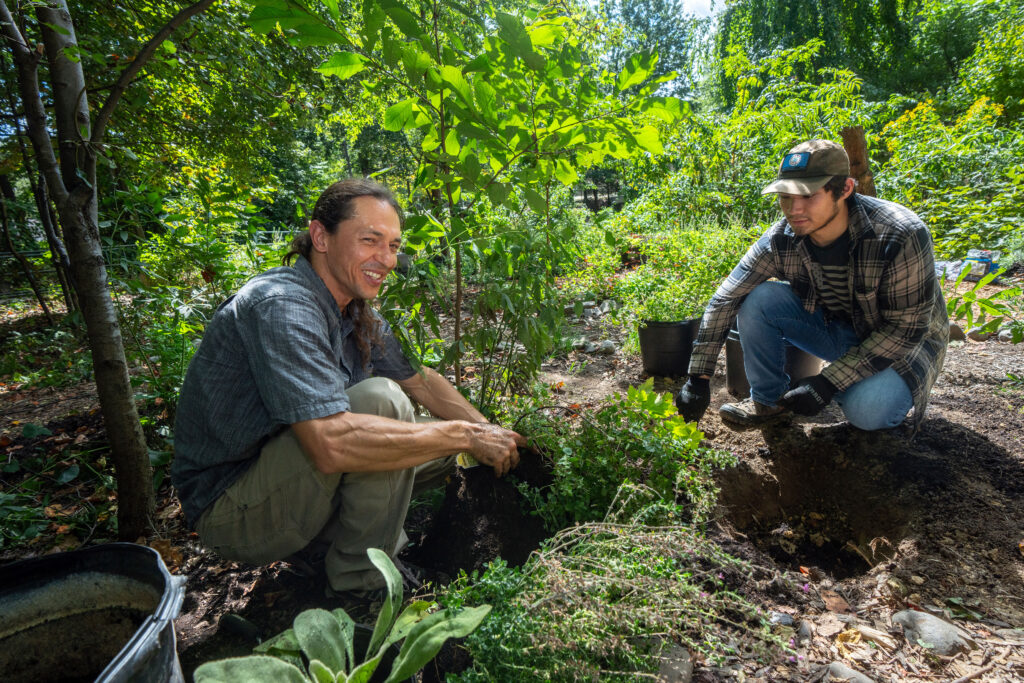
INSTITUTE FOR A SUSTAINABLE EARTH (ISE)
The Institute for a Sustainable Earth explores environmental resilience and sustainability through research grounded in community priorities.