



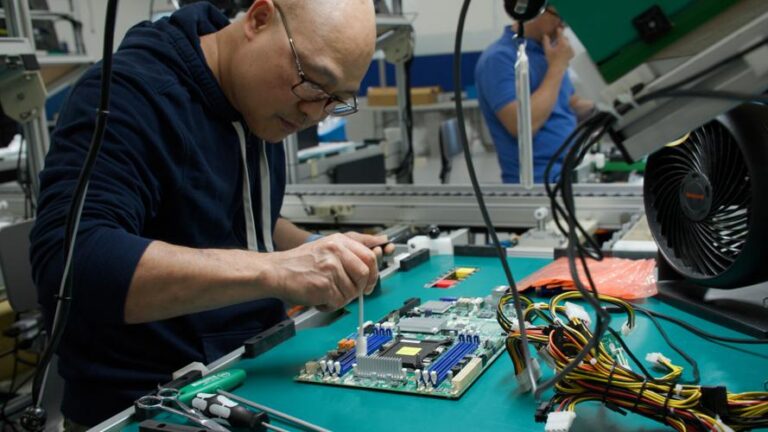
If you were driving down Route 234 20 years ago, you probably weren’t thinking about research labs, startups or global companies setting up shop nearby. Today that vision is taking shape in Northern Virginia's first Innovation District: Nexus 234. George Mason University, Prince William County and the city of Manassas officially revealed the district’s name in late April, giving a shared identity to years of collaboration, growth and long-term planning.
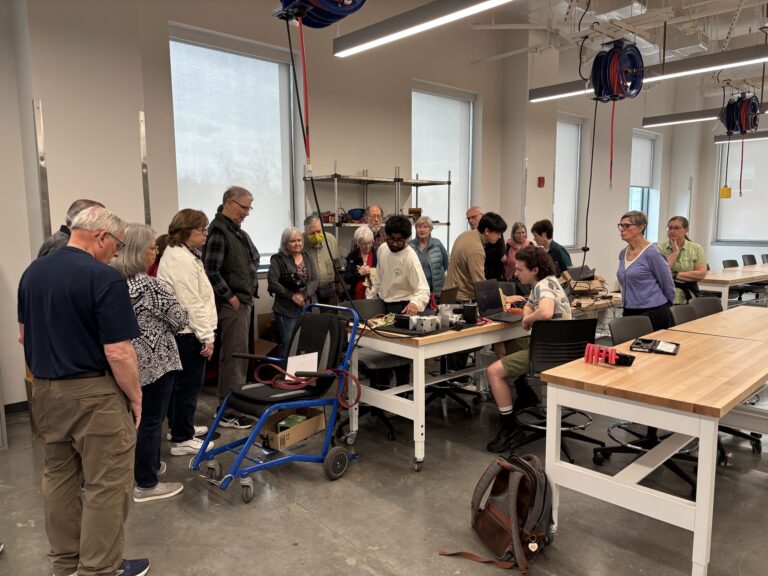
For Owais Yousuf, inspiration came from family. Growing up, he watched his father get around airports using crutches after contracting polio as a child. His teammates had similar experiences with relatives who struggled with mobility. The four George Mason University engineering students began wondering: How do you make airport travel more independent and less stressful for people with mobility challenges?

This May, startups from across the globe came to Manassas, Virginia. Along with their suitcases, they brought polished presentations, new technologies, and big plans. They were about to spend two days in the Nexus234 Innovation District for the Global Innovation Showcase. Ten startups were selected from a competitive pool of 22 applicants representing the U.S., Israel, Japan, and South Korea.
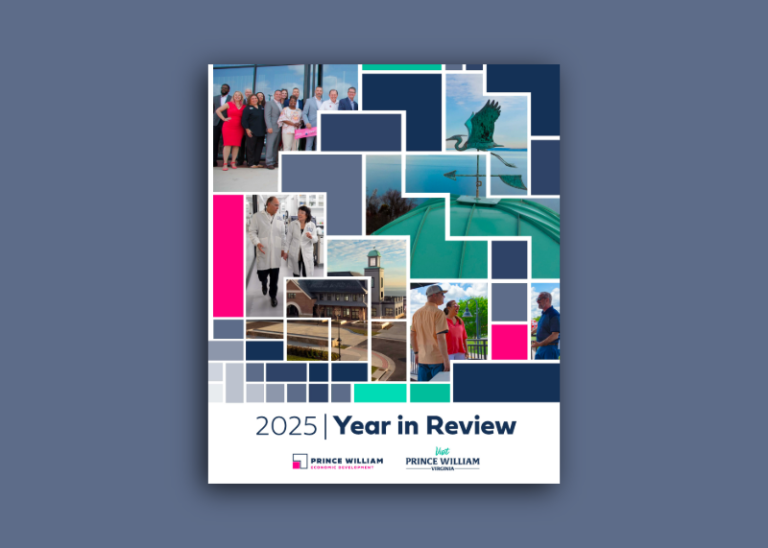
When working on a puzzle, one of the best moments is the dawning realization that the bigger picture is finally starting to emerge. That's what 2025 felt like for the Prince William County Department of Economic Development & Tourism. That idea became the inspiration behind the visual concept for our 2025 Year In Review, which captures the core moments of our work.
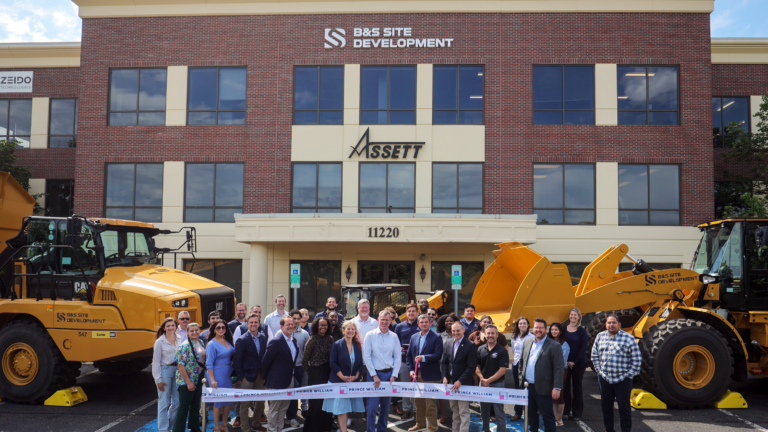
The Prince William County Department of Economic Development and Tourism (PWCDEDT) celebrated B&S Site Development’s (B&S) expanded corporate headquarters in Innovation Park, Manassas. B&S is a homegrown company that has expanded to more than 1,100 employees operating throughout the mid-Atlantic and Midwest with offices in Georgia, Ohio, and across the Commonwealth of Virginia.

Innovation districts, when done right, have created incredible economic impact across the country, but many still struggle with the same challenge: creating actual ecosystems instead of collections of buildings. That’s the distinction Amy Adams wants people to understand about Nexus234.

Good Morning Washington recently visited Manassas to cover the official unveiling of Nexus234. Our own Brian van de Graaff was on the scene as George Mason University, Prince William County, and the City of Manassas designated this 6,000-acre hub as the region’s premier destination for tech and workforce development.
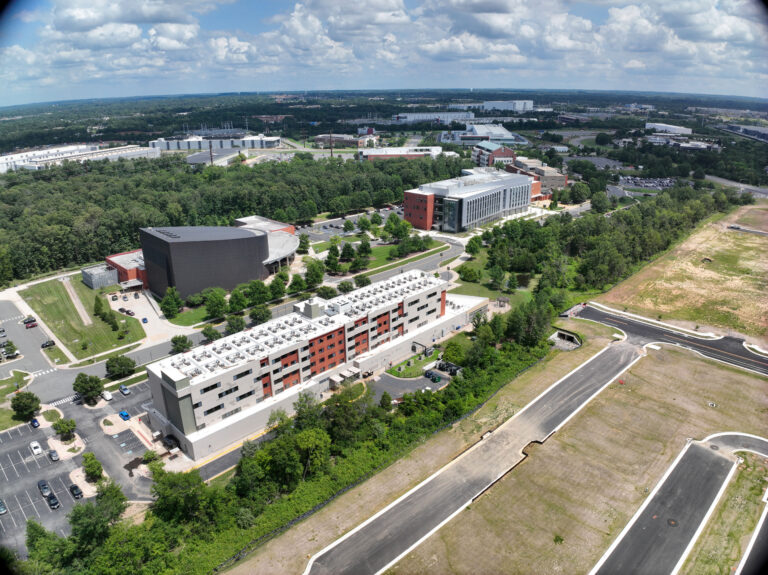
George Mason University, Prince William County, and the City of Manassas revealed the name of Northern Virginia’s first Innovation District: Nexus234. The name draws inspiration from the central transportation corridor, Route 234, that runs through the district like a spinal cord. The name roots the district in the infrastructure that has shaped its trajectory for more than three decades; it is both a physical backbone and a symbolic throughline, tying past vision to future momentum.
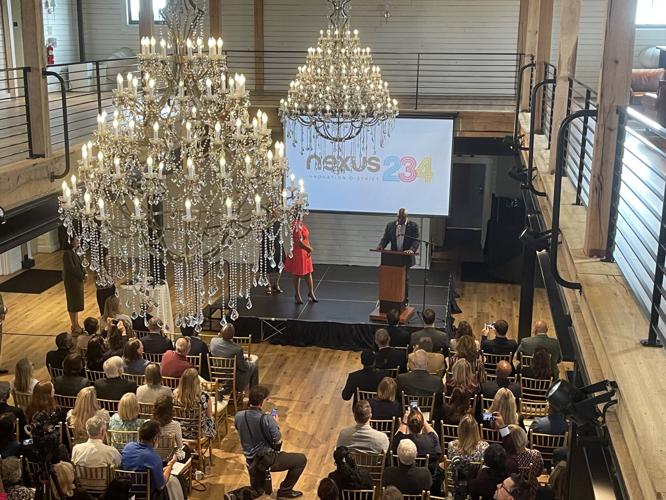
George Mason University's Innovation District in Manassas underwent an official rebrand on Friday, as local leaders unveiled the new "Nexus234" identity for the science and technology hub near western Prince William County.

The district spans Prince William County and the city of Manassas, anchored by GMU's campus and Innovation Park.