





George Mason University, Prince William County, and the City of Manassas today announced Nexus234 Innovation District as the official name of the nearly 6,000-acre destination during a naming event in Manassas, Virginia. Nexus234 is where ideas and talent converge with advanced technology and specialized infrastructure, creating an expandable power hub for collaboration and market-ready innovation in Northern Virginia.

Officials with George Mason University, Prince William County and the City of Manassas on Friday announced the name selected for an innovation district encompassing 6,000 acres in Northern Virginia: Nexus234 Innovation District.

In Northern Virginia, George Mason University, Prince William County, and the City of Manassas combined their resources to launch an innovation district in 2025. The Prince William Science Accelerator, located in the innovation district, rebranded as Endeavor234 and has provided more than 20 emerging companies with lab space to launch and grow.
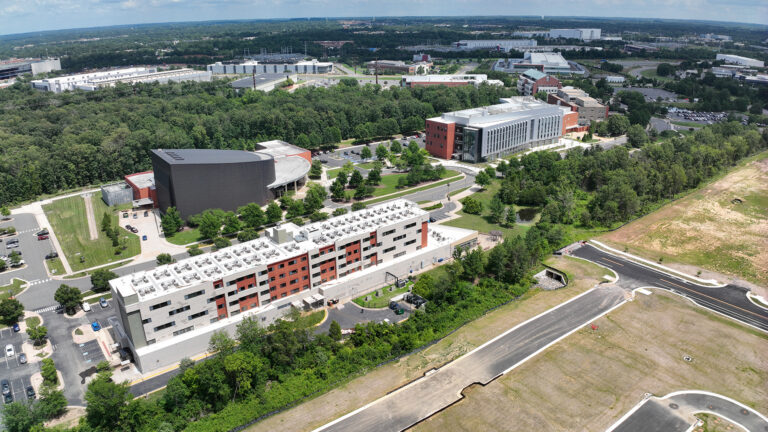
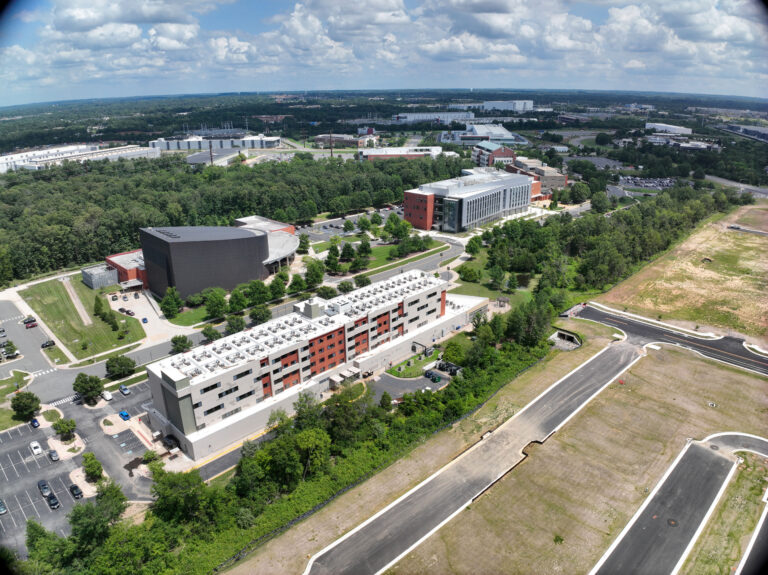
Anchored by George Mason University’s Science and Technology (SciTech) Campus, Nexus234 Innovation District is a 3,800-acre life sciences and emerging technology hub in Prince William County and the City of Manassas in Northern Virginia.

As the anchor for Northern Virginia’s first Innovation District, George Mason University’s Science and Technology Campus is going through a major growth spurt. The campus is powering new developments in high-tech industry sectors like life sciences, aerospace, and defense. A new, walkable Innovation Town Center is under construction near the front door of campus.
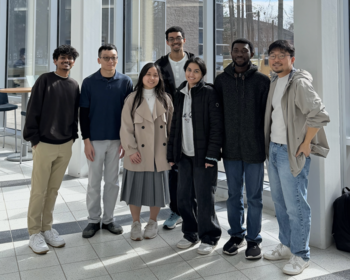
Two multidisciplinary senior design teams in George Mason University’s College of Engineering and Computing are taking on major health‑related challenges—one developing a next‑generation glucose detection device, the other creating a unified tool for early detection of sarcopenia. Together, their work showcases how engineering students are applying research, innovation, and collaboration to improve health outcomes.
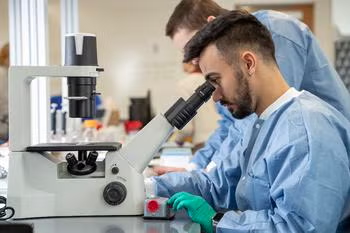
Throughout Virginia, the life sciences sector is gaining momentum as major pharmaceutical companies invest billions in new facilities and operations. As a result, employers need to find people who can step into laboratory and manufacturing roles right away.

Local execs say new air service could reshape how they connect with investors, partners and research hubs.
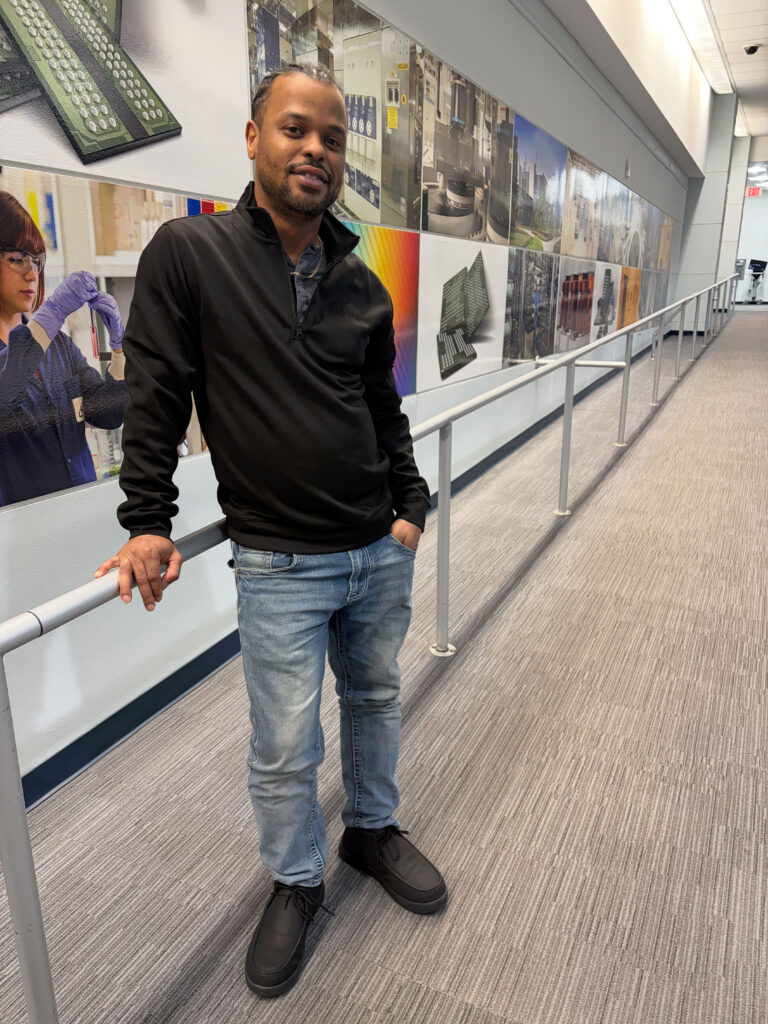
For seven years, Charles Stewart’s world revolved around highly technical Navy systems, such as combat systems, anti-ship missile defense operations, radar-jamming technology, and electronic intelligence. In civilian life, he needed to find out how his skills could carry over.
This episode of the BioTalk With Rich Bendis podcast brings together leaders from industry, academia, and economic development to unpack the vision behind a new life sciences innovation district.